
In construction, estimating isn’t just about numbers — it’s about confidence.
In construction, estimating isn’t just about numbers — it’s about confidence. Confidence in your margins, your timeline, and your ability to actually deliver the job.
But we see it all the time — small estimating mistakes that turn into big problems once the job kicks off. Missed scope, rushed take-offs, unclear assumptions… they don’t just impact pricing, they impact your reputation.
Here are five of the most common estimating mistakes — and how to avoid them.
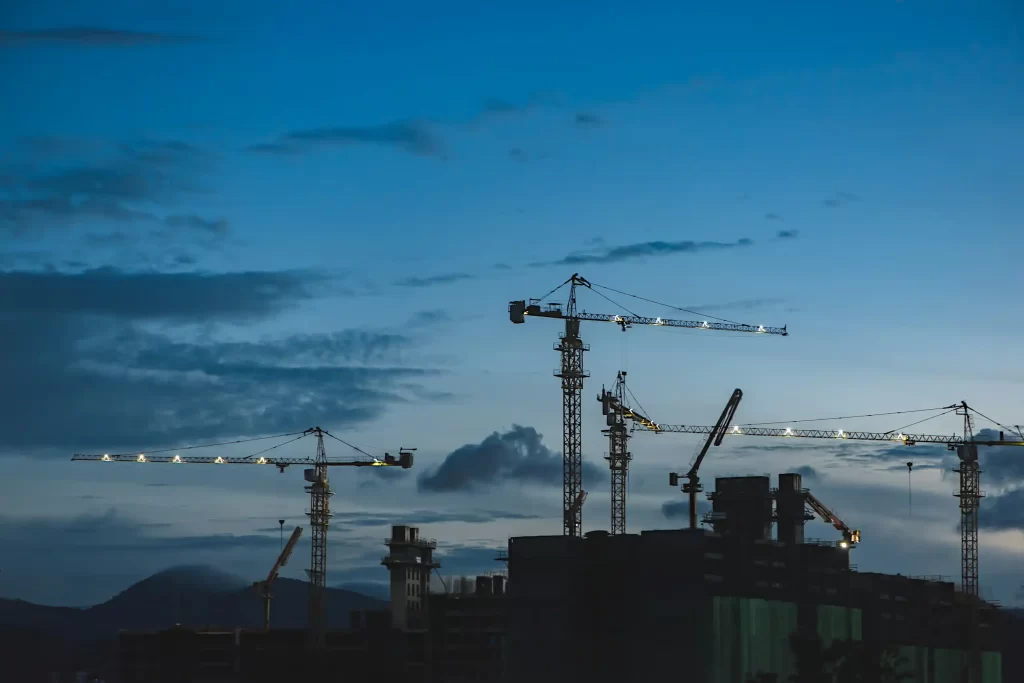
Here are five of the most common estimating mistakes — and how to avoid them.
1. Rushing the Take-Off
When deadlines are tight, the first thing to suffer is detail. A rushed take-off often leads to missed quantities, incorrect measurements, or overlooked elements.
The impact:
You underquote, win the job, and wear the cost later.
How to avoid it:
Build in time for review. Even a second set of eyes on a BOQ can catch costly oversights. This is where external estimating support can be a game changer — especially during peak tender periods.
2. Incomplete Scope Review
Plans don’t always tell the full story. If you’re not reviewing specifications, addendums, and inclusions properly, gaps start to appear.
The impact:
Variations, disputes, and margin erosion.
How to avoid it:
Always align drawings with specs and clarify assumptions upfront. A good estimate isn’t just numbers — it’s a clearly defined scope.
3. Over-Reliance on Old Rates
Material costs, labour, and subcontractor pricing shift constantly. Relying on outdated rates is one of the quickest ways to get caught out.
The impact:
You think you’re competitive — but you’re actually exposed.
How to avoid it:
Keep your pricing current and sense-check against recent projects. If you’re unsure, get a fresh benchmark or market check before submitting.
4. Poor Communication Between Teams
Estimating doesn’t happen in a vacuum. When estimators, project managers, and site teams aren’t aligned, key details get lost.
The impact:
What’s priced isn’t what’s delivered.
How to avoid it:
Create a clear handover process. Walk through the estimate with delivery teams so everyone understands inclusions, exclusions, and risk areas before the job starts.
5. Trying to Do Everything In-House
As workloads increase, many teams try to stretch internal resources too far. Estimators get overloaded, and quality drops.
The impact:
Missed opportunities, rushed submissions, and burnout.
How to avoid it:
Adopt a hybrid model. Keep strategy and final review in-house, and bring in external support for take-offs or overflow. It’s a smarter way to scale without increasing headcount.

The Bottom Line
The best builders and subcontractors treat estimating as a strategic function, not just a pre-construction task. When done right, it protects margin, builds trust, and sets every project up for success.
Winning work is one thing — delivering it profitably is another.
If your team is stretched or you’re finding estimates are slipping through the cracks, it might be time to rethink your approach. M2 Estimating works alongside builders and trades to deliver accurate, reliable estimating support — without the overhead of growing your internal team.


